
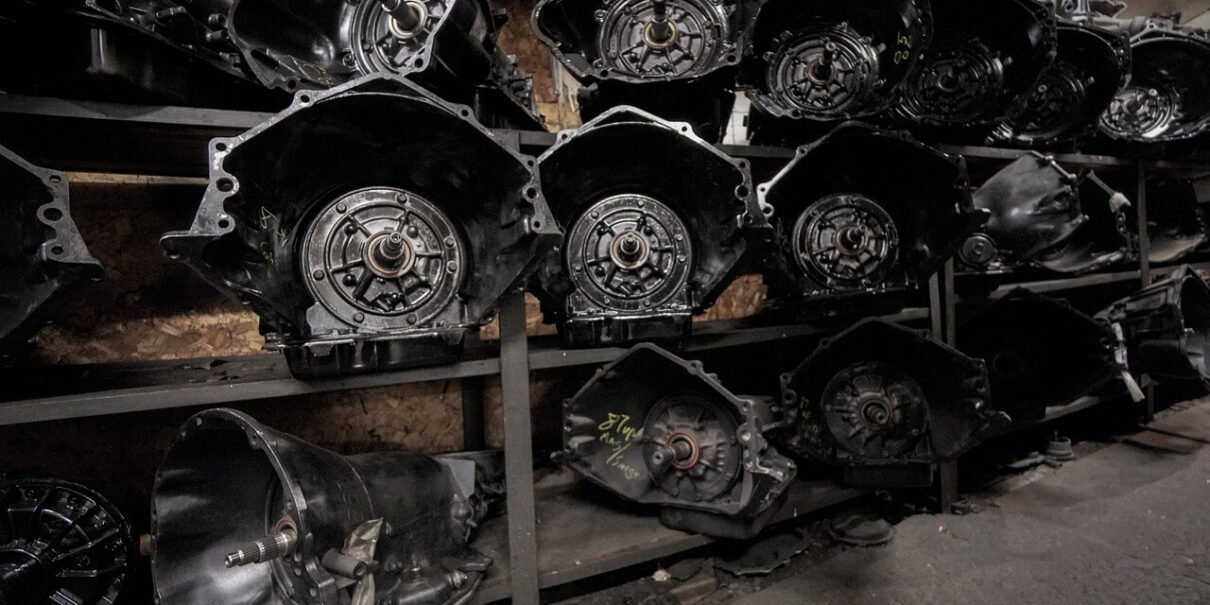
Proper gearbox oil maintenance is essential for keeping your car’s transmission system in top shape. This specialized lubricant reduces friction between moving gears, helps dissipate heat, and ensures smooth gear shifts. Over time, the oil becomes contaminated with metal particles and debris, which can lead to wear, grinding noises, or even gearbox failure.
Whether you drive a manual or automatic transmission, learning how to change gearbox oil is a crucial part of car maintenance that can extend the lifespan of your gearbox and improve driving performance.
What Is Gearbox Oil?
Gearbox oil (also called transmission fluid) is a high-viscosity lubricant designed specifically for your car’s transmission system. It differs from engine oil like 5w30 engine oil, as it must withstand higher pressures and temperatures while protecting gears and bearings.
There are two main types:
- Manual gearbox oil: Thicker and designed for mechanical gear contact.
- Automatic transmission fluid (ATF): Thinner, containing detergents and friction modifiers.
Maintaining the correct oil level ensures your gearbox components such as the clutch and gears work together seamlessly.
How Does Gearbox Oil Work?
The gearbox transfers engine power to the wheels using a series of gears. Gearbox oil lubricates these components, reducing friction and preventing overheating. It also cleans metal particles and helps maintain pressure within the transmission.
Without proper lubrication, friction increases, causing premature wear on parts like the gearbox bearings and synchronizers. Over time, this can lead to major mechanical failure and expensive repairs.
Common Symptoms or Signs of Low or Old Gearbox Oil
Ignoring gearbox oil maintenance can cause serious issues. Here are key signs that it’s time for a change:
- Difficulty shifting gears or grinding noise
- Burning smell (indicates overheating oil)
- Gear slippage in automatic vehicles
- Metal shavings on the drain plug or dipstick
- Whining or humming while accelerating
- Oil leaks near the gearbox housing
If you notice these symptoms, it’s best to inspect your gearbox oil and other related parts like the oil cooler, sump, or gaskets.
How to Change Gearbox Oil Step-by-Step
Changing gearbox oil is a moderate DIY task. You’ll need basic tools such as a socket wrench, oil catch pan, funnel, and new gearbox oil recommended by your manufacturer.
1. Prepare Your Vehicle
- Park on a flat surface and engage the handbrake.
- Jack up the car securely using jack stands.
- Allow the engine to cool before starting.
2. Locate the Drain and Filler Plugs
The drain plug is usually found at the bottom of the gearbox, while the filler plug is on the side. Consult your owner’s manual for exact locations or seek professional help.
3. Drain the Old Oil
- Place a drain pan underneath.
- Unscrew the drain plug and let the old oil flow out completely.
- Inspect the drain plug for metal debris — a sign of internal wear.
4. Refit the Drain Plug
Clean the plug, replace the washer or gasket if necessary, and tighten securely.
5. Fill with New Gearbox Oil
- Use a funnel or oil syringe to fill through the filler plug hole.
- Stop when the oil begins to slightly overflow from the hole — that’s the correct level.
- Refit the filler plug and clean any spills.
6. Test the Vehicle
Start the car, shift through all gears, and ensure smooth engagement. Check for leaks underneath.
Tip: Always use manufacturer-approved gearbox oil. Using the wrong viscosity or type can damage your gearbox.
Gearbox Oil Replacement Cost in South Africa
The cost of changing gearbox oil varies by vehicle make and whether it’s manual or automatic:
- Manual gearbox oil change: R500 – R1,200 (including oil)
- Automatic transmission fluid change: R1,500 – R3,000 (depending on vehicle size)
Prices also depend on oil quality and service fees.
Related Car Parts and Maintenance Tips
Changing gearbox oil is just one step in keeping your transmission system in good shape. Consider inspecting or replacing related auto body parts and components like:
- Oil filter and service kit for complete fluid refresh
- Clutch and flywheel (manual transmissions)
- Throttle body, EGR valve, and PCV valve for smoother air-fuel flow
- Radiator and antifreeze price — coolant health affects gearbox temperature
- Ball joint, control arm, and tie rod end for proper drivetrain alignment
You can also check our guides on how to change oil filter, how to test alternator, and how to clean throttle body for more maintenance know-how.
Conclusion: Why Gearbox Oil Maintenance Matters
Regularly changing your gearbox oil ensures smoother gear shifts, prevents transmission wear, and extends the lifespan of your engine and drive components. Neglecting this service can lead to overheating, grinding gears, and costly rebuilds.
Proper maintenance saves money in the long run and keeps your car performing at its best.
Looking for quality gearbox oil, clutch kits, or other auto spares?
Find affordable, genuine car parts at car-parts.co.za today.
Leave a Reply