
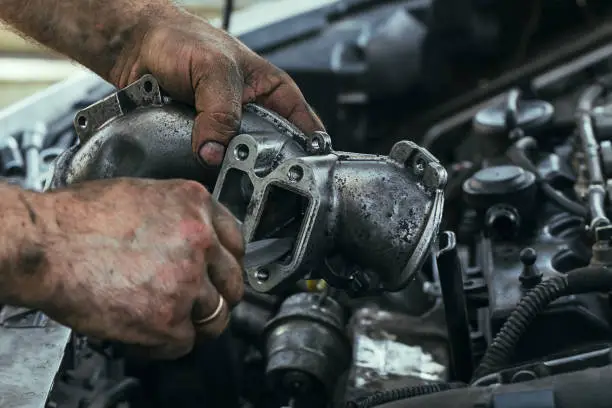
Modern engines are designed not only for performance but also for cleaner emissions. One of the key components responsible for reducing harmful gases is the EGR valve. Understanding what an EGR valve is, how it functions, and how to maintain it can help you prevent rough idling, poor fuel economy, and potential engine damage.
What Is an EGR Valve?
EGR stands for Exhaust Gas Recirculation. The EGR valve is a device fitted between the exhaust manifold and the intake manifold. Its job is to recirculate a controlled amount of exhaust gases back into the combustion chambers.
By doing this, the EGR system reduces nitrogen oxide (NOx) emissions — harmful pollutants created at high combustion temperatures. This process helps your engine run cooler and burn fuel more efficiently.
There are two main types of EGR valves found in vehicles:
- Vacuum-operated EGR valves: Common in older cars.
- Electronic EGR valves: Controlled by the engine control unit (ECU) in modern vehicles.
Whether you drive a BMW, Toyota, Ford, or VW, your car likely has some form of EGR system to meet emission standards.
How Does an EGR Valve Work?
The EGR valve works by opening and closing at specific times based on engine load and temperature.
When the engine is cold or idling, the valve remains closed to ensure smooth combustion. Once the engine warms up and reaches cruising speed, the ECU signals the EGR valve to open slightly. This allows a small amount of exhaust gas to re-enter the intake manifold, reducing combustion temperatures and NOx production.
Key Components Involved:
- EGR valve: The main unit that regulates gas flow.
- EGR solenoid or control module: Controls when the valve opens or closes.
- EGR passages or pipes: Carry exhaust gases to and from the valve.
The system works hand in hand with the throttle body, PCV valve, and intake manifold to maintain optimal air–fuel balance.
Common Symptoms or Signs of EGR Valve Failure
Over time, carbon deposits from exhaust gases can clog or stick the EGR valve, causing various performance issues. Here are the most common symptoms of a bad or dirty EGR valve:
- Rough Idle or Stalling: Too much or too little recirculated gas disrupts the air–fuel mixture.
- Poor Fuel Economy: Incorrect combustion leads to higher fuel consumption.
- Check Engine Light: Codes such as P0401 (Insufficient EGR Flow) or P0402 (Excessive EGR Flow) may appear.
- Engine Knocking or Pinging: Caused by higher combustion temperatures.
- Failed Emissions Test: Due to excessive NOx emissions.
If these symptoms occur, it’s time to inspect or clean your EGR valve.
How to Test, Clean, or Replace an EGR Valve
Testing or cleaning your EGR valve can often restore performance without needing a replacement.
1. Visual Inspection
- Remove the EGR valve and check for carbon buildup or stuck plungers.
- Inspect the gaskets for leaks or cracks.
2. Functional Test (Vacuum Type)
- Use a hand vacuum pump to apply suction to the valve.
- If the diaphragm doesn’t hold vacuum or move, it’s faulty.
3. Electrical Test (Electronic Type)
- Use a digital multimeter to check for voltage at the EGR connector.
- With the ignition ON, you should get a 5V reference signal.
- Activate the valve via a scan tool or manually and observe movement.
4. Cleaning
- Spray EGR cleaner or carburetor cleaner into the valve and passages.
- Let it soak for a few minutes, then gently brush away carbon deposits.
- Avoid damaging the valve seat or solenoid.
5. Replacement
If the EGR valve fails electrical or movement tests, replacement is the best option. Always install a new gasket and clear any stored ECU fault codes after replacement.
EGR Valve Replacement Cost in South Africa
The cost of replacing an EGR valve in South Africa depends on your vehicle make and type.
- Economy cars: R900 – R1,800
- Luxury or diesel engines: R2,000 – R4,500
Related Car Parts and Maintenance Tips
When servicing the EGR valve, also check related systems that affect air and exhaust flow:
- Throttle body: A dirty throttle body can mimic EGR issues.
- PCV valve: Prevents excessive crankcase pressure.
- Air filter: Clogged filters reduce intake airflow.
- Car radiator and coolant system: Maintain proper engine temperature to control emissions.
- Spark plugs: Poor combustion can cause excess carbon buildup.
- Fuel filter: Dirty fuel can contribute to soot formation.
Keeping these components clean and functional helps extend your EGR valve’s life and maintain fuel efficiency.
Other related guides worth reading include:
Conclusion: Why EGR Valve Maintenance Matters
The EGR valve plays a crucial role in reducing emissions and protecting your engine from excessive heat. Ignoring EGR issues can lead to poor performance, higher fuel costs, and even engine damage.
Regular inspection, cleaning, or replacement ensures smoother performance and a longer-lasting engine.
Need a new EGR valve or related engine parts?
Find affordable, genuine car parts online at car-parts.co.za today.