
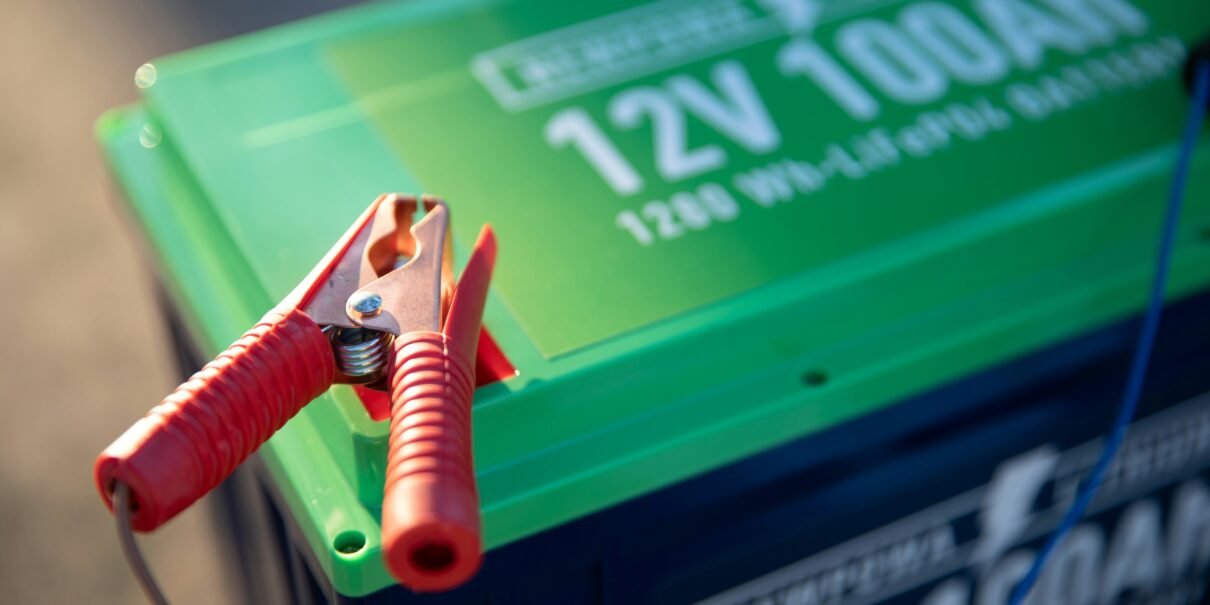
Car batteries are the unsung heroes of the automotive world. Tucked neatly under the hood, they provide the power that gets your engine started, keeps your lights shining, and your radio humming. Yet, for many car owners, batteries remain a mystery until something goes wrong — often at the worst possible time. Whether you’re replacing your battery, troubleshooting problems, or simply trying to understand how it all works, this guide will walk you through everything you need to know about car batteries.
1. What a Car Battery Does
Your car’s battery has one main job — to store electrical energy and deliver it to the starter motor and ignition system when you turn the key (or press the start button). This initial surge of power cranks the engine and gets it running. Once the engine starts, the alternator takes over, recharging the battery and supplying power to the vehicle’s electrical systems.
Besides starting the engine, the battery also powers your car’s electrical accessories when the engine is off. This includes your headlights, infotainment system, alarm, and even the power locks. Essentially, without a working battery, your car won’t start or function properly.
2. How Car Batteries Work
Car batteries are typically lead-acid batteries, which means they use a chemical reaction between lead plates and sulfuric acid to produce electrical energy. Here’s a simplified breakdown of the process:
- Chemical Energy: Inside the battery are lead dioxide (positive plates) and sponge lead (negative plates) submerged in an electrolyte solution made of sulfuric acid and water.
- Electrical Reaction: When you start your car, the acid reacts with the lead plates, releasing electrons.
- Current Flow: These electrons flow through the battery terminals, creating an electrical current that powers the starter motor.
- Recharge: Once the engine is running, the alternator replenishes the battery by reversing the chemical reaction.
This process happens thousands of times over a battery’s lifespan, which is why proper maintenance and usage matter so much.
3. Types of Car Batteries
While most vehicles use standard 12-volt lead-acid batteries, there are several variations designed for different performance needs:
- Flooded Lead-Acid Batteries (Wet Cell): The most common and affordable type. They require periodic maintenance, such as topping up with distilled water.
- Absorbent Glass Mat (AGM) Batteries: These are sealed, maintenance-free batteries designed for vehicles with high electrical demands, such as modern cars with start-stop systems or luxury features.
- Gel Cell Batteries: Use a gel-based electrolyte that’s resistant to vibration and spillage. Ideal for off-road vehicles or extreme weather conditions.
- Lithium-Ion Batteries: Found mainly in hybrid and electric vehicles. They’re lighter, last longer, and charge faster but are more expensive.
Choosing the right battery depends on your car’s specifications, driving habits, and the climate you live in.
4. Signs Your Battery May Be Failing
No battery lasts forever. On average, a car battery lasts 3 to 5 years, but that can vary based on temperature, usage, and maintenance. Here are common warning signs that your battery may be on its way out:
- Slow engine crank: The car struggles or takes longer than usual to start.
- Dim lights or electrical issues: Headlights and dashboard lights flicker or seem weak.
- Clicking sound when starting: Not enough power to engage the starter motor.
- Battery warning light: A red battery symbol lights up on your dashboard.
- Swollen battery case or corrosion: Physical signs of damage or leaks around the terminals.
- Frequent jump-starts: If you’re reaching for jumper cables often, your battery likely needs replacing.
If you notice any of these symptoms, it’s best to get your battery tested before it leaves you stranded.
5. How to Maintain Your Car Battery
Proper maintenance can extend the life of your car battery and ensure reliable performance. Here are some simple tips:
a. Keep it clean:
Corrosion on battery terminals can prevent proper electrical contact. Use a mixture of baking soda and water with a small brush to clean any buildup, then tighten the connections securely.
b. Drive regularly:
Short trips and long periods of inactivity can prevent your alternator from fully charging the battery. Try to drive your car at least once a week for 15–20 minutes.
c. Avoid leaving electronics on:
Headlights, interior lights, or the radio left on while the engine is off can drain your battery quickly.
d. Check voltage regularly:
A healthy battery should measure around 12.6 volts when the car is off. Anything below 12.4 volts may indicate it’s losing charge.
e. Insulate in extreme weather:
Both extreme heat and cold can shorten a battery’s life. Consider using a battery insulation kit or parking in a garage during harsh conditions.
f. Secure the battery properly:
A loose battery can vibrate excessively, damaging internal components and causing premature failure.
6. Choosing the Right Replacement Battery
When it’s time to replace your car battery, there are several factors to consider beyond just price:
- Battery Size (Group Size):
Each car requires a specific size based on terminal placement and mounting space. Check your owner’s manual or the old battery label. - Cold Cranking Amps (CCA):
This measures how well a battery can start your car in cold weather. Higher CCA is better if you live in colder regions. - Reserve Capacity (RC):
Indicates how long the battery can run on its own power if the alternator fails. A higher RC provides extra reliability. - Brand and Warranty:
Reputable brands like Exide, Varta, Bosch, and Willard (in South Africa) often offer longer warranties and proven performance. - Type of Vehicle:
Modern cars with advanced electronics or stop-start systems often require AGM or EFB (Enhanced Flooded Batteries) instead of standard ones.
Always recycle your old battery properly — most auto parts stores and service centers will take it for safe disposal.
7. Jump-Starting a Car Safely
If your battery does die, a jump-start can get you back on the road — but it’s important to do it safely. Follow these steps carefully:
- Position the vehicles: Park the working vehicle close enough for jumper cables to reach but don’t let them touch.
- Turn off both engines: Remove keys and switch off all accessories.
- Connect cables in order:
- Red clamp to dead battery’s positive (+)
- Red clamp to good battery’s positive (+)
- Black clamp to good battery’s negative (–)
- Black clamp to an unpainted metal surface on the dead car (not the negative terminal)
- Start the working car, then try starting the dead car after a minute.
- Once started, let both cars idle for several minutes before disconnecting cables in reverse order.
If your car doesn’t start after a few attempts, don’t keep cranking — you could damage the starter or electrical system. It may be time for a professional inspection.
8. Battery Myths and Facts
Let’s clear up a few common myths about car batteries:
- Myth: “If I drive every day, my battery will never die.”
Fact: Short trips may not allow your alternator to fully recharge the battery, especially with heavy accessory use. - Myth: “All batteries are the same.”
Fact: Different batteries have different capacities, chemistries, and features. Using the wrong type can damage your vehicle’s electrical system. - Myth: “Disconnecting the battery resets everything.”
Fact: While it may reset some settings, modern vehicles rely on stable voltage — disconnecting without proper procedure can trigger electronic issues.
9. When to Seek Professional Help
If your battery keeps dying, even after a replacement, the issue may not be the battery itself. Common culprits include:
- A failing alternator not charging the battery
- Parasitic drain from faulty electronics or alarms
- Loose or corroded cables
- Faulty starter motor
A quick diagnostic test at an auto shop can identify the real problem and save you time and money.
Other related guides worth reading include:
10. Final Thoughts
Your car’s battery is small but mighty — without it, even the most powerful engine is just a hunk of metal. Understanding how it works, recognizing early signs of trouble, and performing basic maintenance can help you avoid the inconvenience of being stuck with a dead car. Whether you’re a seasoned driver or a first-time owner, a little battery knowledge goes a long way in keeping your vehicle reliable and ready for the road.
So next time you turn the key and your engine roars to life, give a silent nod to the humble car battery — it’s doing more work than you think.